











Curiosity works in strange ways.
People often become interested in things long before they actually understand why.
Different coffee beans.
Foreign snacks.
Vintage cameras.
Imported drinks.
Even products they never planned to buy in the first place.
Sometimes the unfamiliar simply attracts attention.
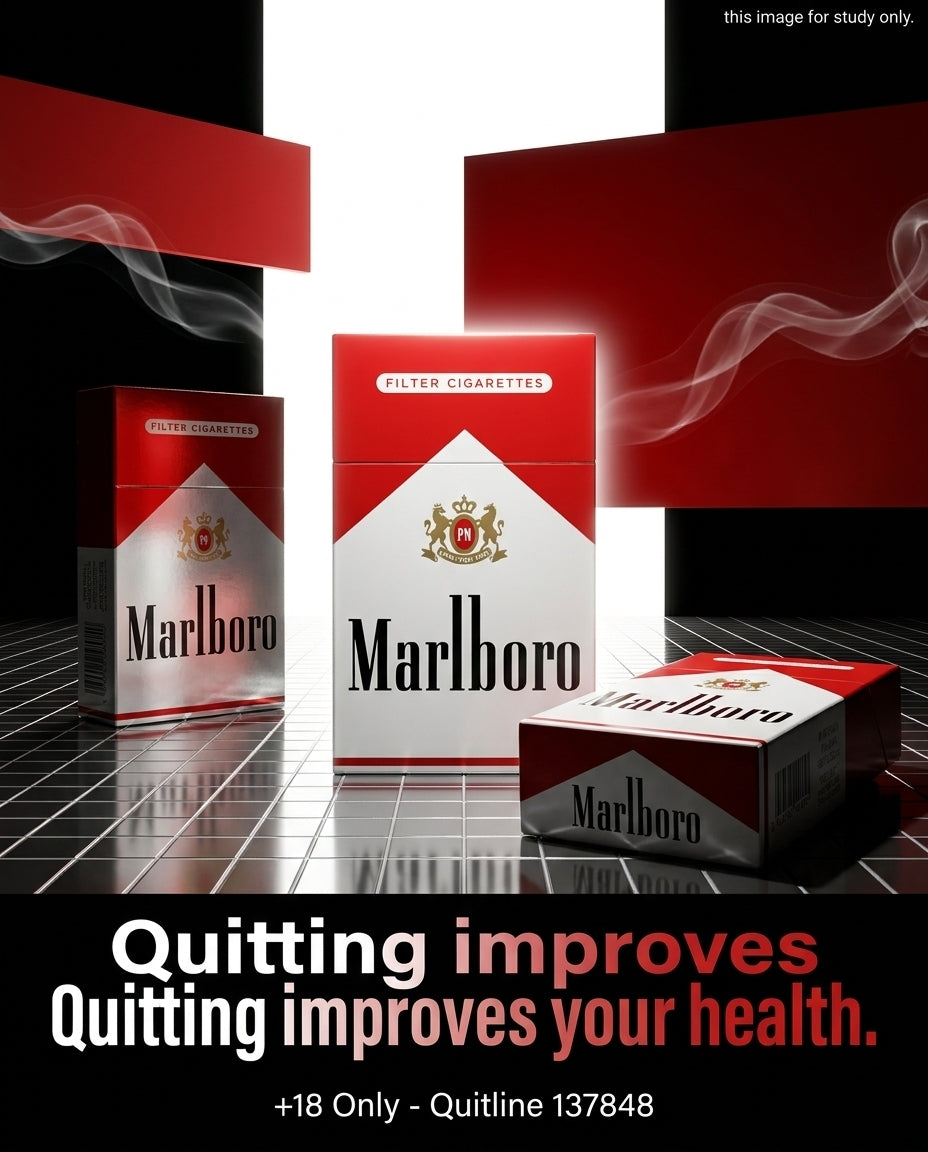
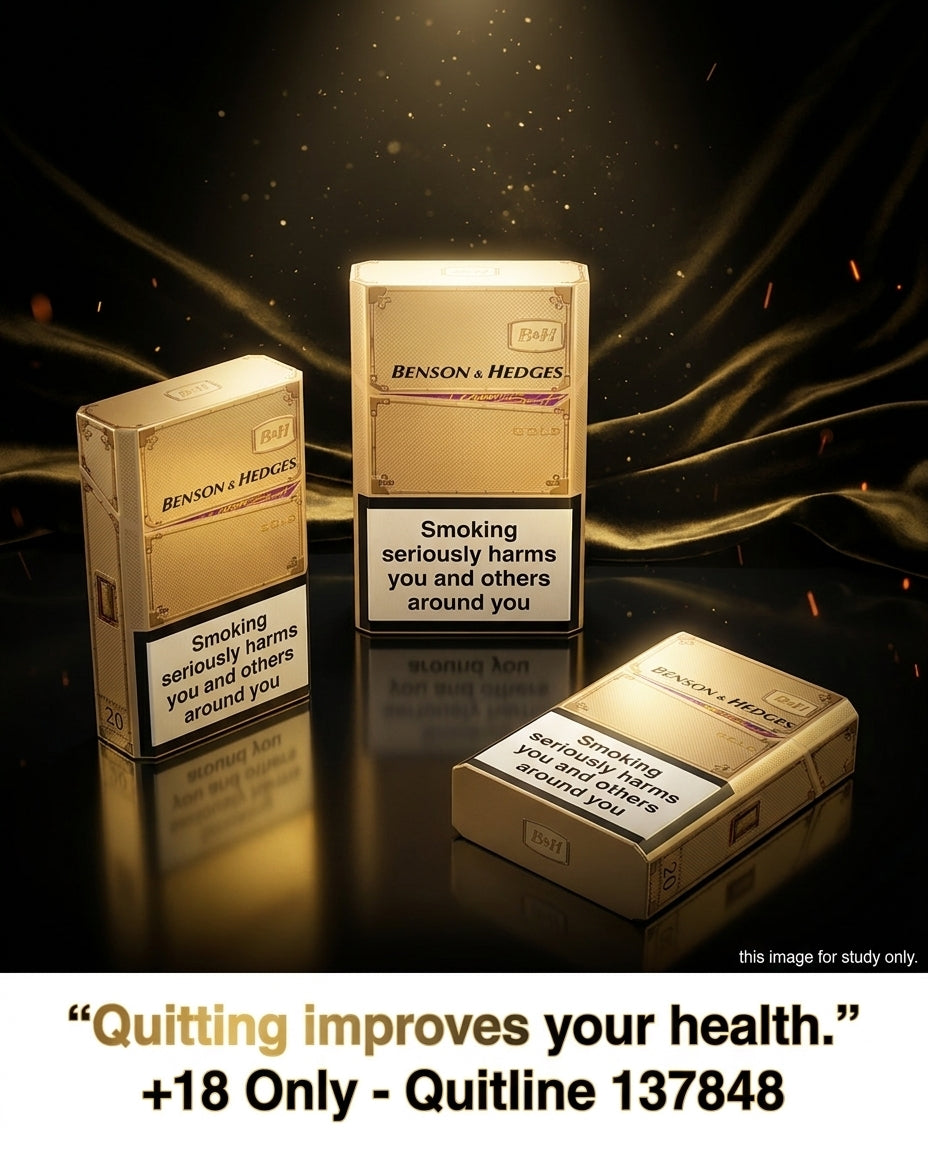
And over time, imported cigarettes seem to have created a similar type of curiosity among some adult smokers across Australia.
Not always because people believe something overseas is automatically better.
Often because it simply feels... different.
Different packaging.
Different names.
Different stories.
Different expectations.
And human beings have always been naturally curious about unfamiliar experiences.
Sometimes Curiosity Starts Before The Product Itself 🌏
One smoker from Sydney described noticing imported products years ago during travel:
"I saw packs I'd never seen before and instantly wanted to know what they were."
Not buy.
Not compare.
Just know.
That detail matters.
Because curiosity often begins before preference.
Consumer psychology researchers regularly note that unfamiliar products can trigger exploratory behavior — humans naturally pay attention to novelty because the brain is wired to notice differences.
People do it constantly:
new restaurants
international foods
travel destinations
limited-edition products
different packaging
Smoking conversations occasionally seem to follow similar patterns.
Quick Compare: Familiar Products vs Unfamiliar Products
| Familiar Experience | Unfamiliar Experience |
|---|---|
| Predictable | Curiosity-driven |
| Routine purchase | Attention-grabbing |
| Lower surprise | Higher interest |
| Comfort | Exploration |
The Packaging Effect Happens More Than People Admit 📦
People sometimes underestimate visual curiosity.
But packaging has always quietly influenced first impressions.
One smoker in Melbourne laughed while explaining an old purchase:
"I bought it because I hadn't seen anything like it before."
Simple.
Honest.
And probably more common than people realize.
Consumer researchers have long suggested packaging creates expectation before experience begins.
Not just for cigarettes.
For food.
Technology.
Coffee.
Luxury products.
People often react emotionally before they even realize they are reacting at all.
Did You Know? 🤔
Behavior and consumer research regularly suggest that humans naturally pay greater attention to novelty and unfamiliar visual patterns. New experiences can trigger stronger curiosity than familiar ones.
That doesn't automatically create preference.
But it often creates interest.
Australia's Cities Sometimes Create Different Curiosity Patterns 🌆
Across Sydney and Melbourne, imported cigarettes often enter conversations through travel stories, recommendations or simple curiosity.
In Brisbane and Perth, people sometimes describe discovering unfamiliar products during trips or through friends returning from overseas.
On the Gold Coast and Sunshine Coast, travel culture occasionally creates even more exposure to international products and packaging styles.
Not because one city is different from another.
Because movement and experiences influence discovery.
The Funny Part: Curiosity Doesn't Always Lead Where People Expect
Sometimes curiosity disappears immediately.
Sometimes it becomes a story.
Sometimes it quietly becomes a routine.
People often think habits begin through decisions.
But occasionally they begin with something much smaller:
"I've never seen that before."
That tiny sentence starts more routines than people realize.
Unusual FAQ
Why do unfamiliar products attract attention?
Humans naturally notice novelty and difference.
Why are imported products often described as interesting?
Different packaging and experiences can create curiosity.
Does curiosity automatically create preference?
Not necessarily. Interest and preference are different.
Why do travel experiences influence product discovery?
People become more observant in unfamiliar environments.
Why do smokers remember unusual products?
Unexpected experiences often become memorable.
Health Warning ⚠️
Quitting reduces your risk of cancer.
+18 Only - Call Your Local Quitline


