











Not every popular product becomes a favorite for the same reason.
Some products become successful because they are everywhere.
Others because they are familiar.
But every now and then, a different type of following quietly appears.
Smaller.
More personal.
Less obvious.
Not a trend exactly.
More like a group of people who seem unusually loyal — the kind who recommend something years later, remember old packaging designs, or immediately recognize a product from across a room.
People sometimes call these cult followings.
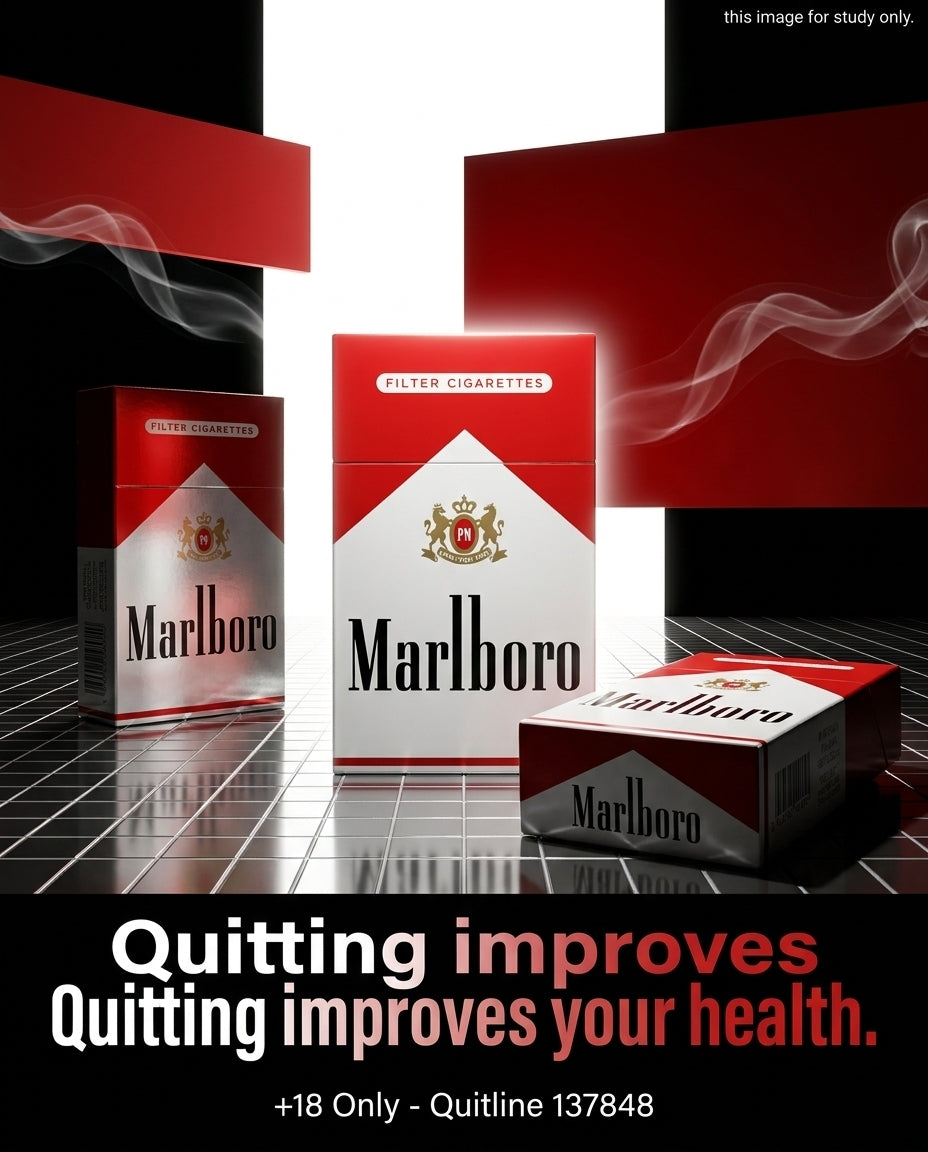
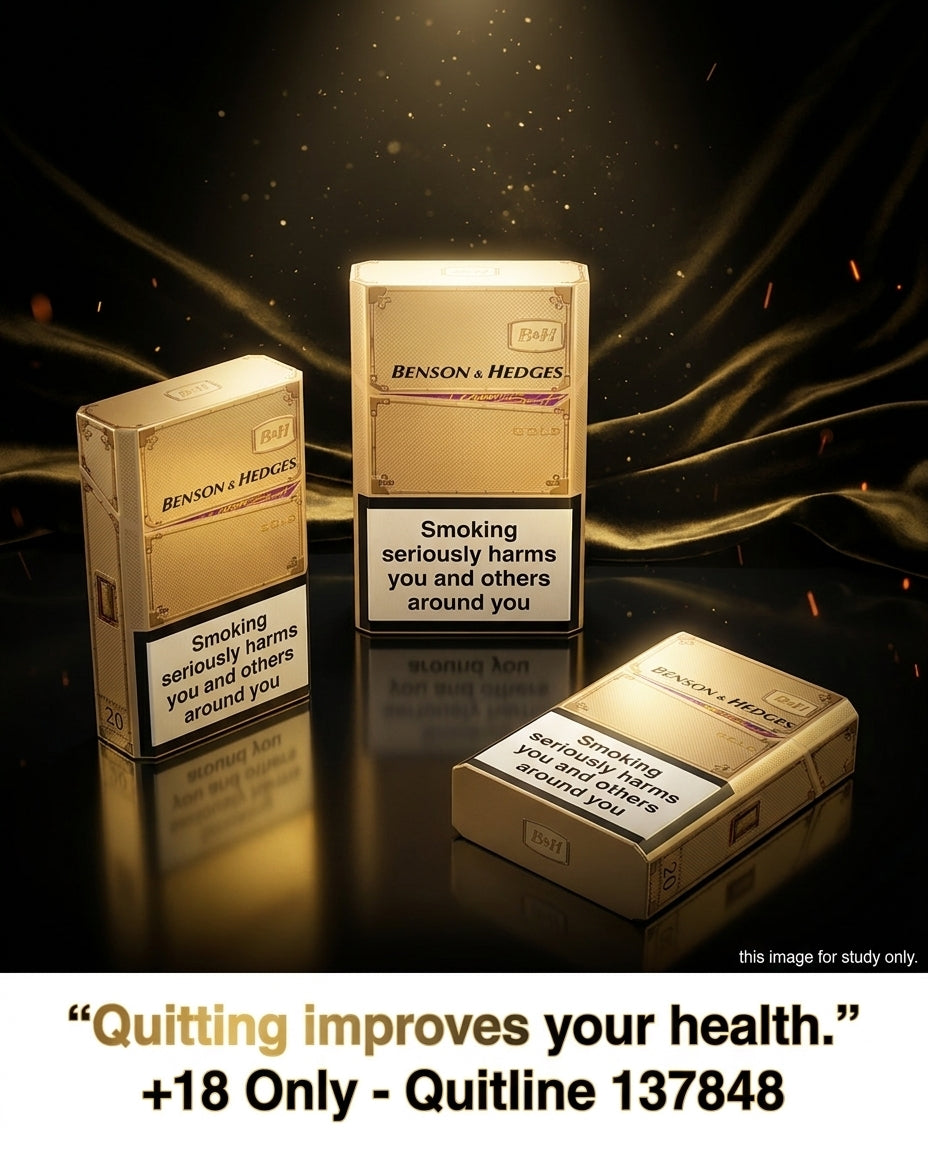
And strangely enough, cigarette brands occasionally seem to develop them too.
Across Australia, from late-night conversations in Melbourne to quieter routines around Perth, smokers sometimes describe certain brands less like purchases and more like long-term companions.
That may sound dramatic.
But human behavior around familiarity often is.
Cult Followings Rarely Start With Big Advertising 🧠
People usually imagine cult popularity beginning with giant marketing campaigns.
But many times it starts somewhere much smaller.
A recommendation from a friend.
A product discovered during travel.
A memory attached to a routine.
Or a small moment that unexpectedly sticks.
One smoker in Sydney described buying a particular brand years ago during a weekend trip:
"I didn't even expect to like it. Somehow I just never stopped."
No big reason.
No dramatic story.
And that's what makes these patterns interesting.
Consumer behavior researchers often observe that repeated emotional experiences sometimes create stronger attachment than product features alone.
People remember moments.
Then those moments quietly become preferences.
Quick Compare: Popular Product vs Cult Following
| Popular Product | Cult Following |
|---|---|
| Broad appeal | Strong personal attachment |
| Widely purchased | Highly remembered |
| Easy familiarity | Emotional familiarity |
| General preference | Identity-based preference |
Small Rituals Slowly Become Stronger ☕
People often imagine loyalty as a decision.
But habits usually don't arrive that way.
Instead:
a late-night purchase repeats
a routine forms
a favorite café becomes connected
certain memories attach themselves
Over time people sometimes stop saying:
"I buy that."
And start saying:
"That's my one."
That subtle shift matters.
Because once products become part of identity, changing them occasionally feels less like replacing an item and more like replacing part of a routine.
Did You Know? 🤔
Behavior researchers frequently suggest that emotional familiarity and repeated experiences can strengthen attachment patterns over time. This effect appears across music, food, clothing brands and long-term habits.
People rarely become attached instantly.
Repetition usually does the work.
Why Cities Sometimes Create Their Own Mini Communities 🌆
Smoking conversations occasionally develop their own local personalities.
In Sydney, people often discuss convenience and routine.
Melbourne conversations sometimes drift toward experience and preference details.
Brisbane and Adelaide smokers occasionally describe habits built around slower lifestyle rhythms.
None of these are rules.
But local culture sometimes shapes how habits spread.
Small communities often create stronger loyalty than large trends.
The Strange Part: People Often Don't Realize It's Happening
Very few smokers wake up and think:
"Today I'll become deeply loyal to this brand."
Instead it sounds more like:
"I've bought it for years now."
"I didn't realize how long it's been."
"I guess I just kept coming back."
And suddenly something casual becomes permanent.
That seems to be how cult followings quietly begin.
Not loudly.
Quietly.
Unusual FAQ
Why do some products develop cult followings?
Repeated experiences can create stronger emotional attachment.
Does popularity automatically create loyalty?
Not always. Familiarity and personal routine often matter more.
Why do smokers recommend certain products strongly?
Long-term routines can build stronger preference identity.
Can memories create brand loyalty?
People frequently attach emotions to experiences.
Why do people notice loyalty years later?
Habits often grow slowly rather than suddenly.
Health Warning ⚠️
Quitting reduces your risk of cancer.
+18 Only - Call Your Local Quitline


