

















Cigarette packets serve multiple purposes beyond simply containing tobacco products. They communicate brand identity, display mandatory health warnings, provide product information, and comply with strict regulatory requirements. For Australian adult smokers purchasing cigarettes online or in-store, understanding what to look for on cigarette packets helps ensure product authenticity, quality, and regulatory compliance. From plain packaging legislation to security features and brand-specific details, the modern cigarette packet contains considerably more information than many smokers realise.
Understanding Australian Plain Packaging Legislation
Australia introduced world-leading plain packaging legislation in December 2012, fundamentally transforming how cigarette packets look and function. This legislation removed all branding elements except the brand name displayed in standardised font, colour, and size. The objective was to reduce the appeal of tobacco products whilst increasing the effectiveness of health warnings.
Key Features of Plain Packaging
Under Australian regulations, all cigarette packets must meet specific requirements:
- Standardised colour: Dark brown (Pantone 448C) for all packaging
- Uniform typeface: Lucida Sans font for brand names
- Prohibited elements: No logos, brand imagery, colours, or promotional text
- Mandatory warnings: Graphic health warnings covering 75% of front packaging and 90% of back packaging
- Product information only: Limited to brand name, variant, and mandatory regulatory markings
The World Health Organization provides data on global cigarette packaging health warnings, highlighting how Australia's approach has influenced tobacco control policies internationally.
Impact on Brand Recognition
Despite standardisation, cigarette packets still communicate brand identity through specific elements. Brand names remain visible, and experienced smokers quickly learn to identify their preferred products through subtle differences in text presentation, variant descriptors, and pack dimensions.
Different manufacturers position brand names at varying heights within the permitted area, creating recognisable patterns. Variant descriptions like "Original Red" or "Fine Cut Blue" provide additional differentiation whilst complying with plain packaging requirements.

Security Features and Authentication Markers
Genuine cigarette packets incorporate multiple security features designed to prevent counterfeiting and verify product authenticity. Australian adult smokers should familiarise themselves with these markers when purchasing cigarettes, particularly through online channels.
Australian Tax Stamps and Regulatory Markings
All cigarette packets legally sold in Australia must display specific tax and regulatory markings:
| Security Feature | Purpose | Location |
|---|---|---|
| Australian tax stamp | Confirms tax payment | Bottom or side of packet |
| Batch code | Traceability and quality control | Side or bottom panel |
| Production date | Freshness indicator | Stamped or printed on packet |
| Barcode | Inventory and authenticity | Back or side panel |
These markings provide assurance that products meet Australian standards and have passed through legitimate distribution channels. When browsing cigarette collections online, reputable retailers display clear product images showing these authentication features.
International Product Considerations
Many Australian smokers purchase imported cigarettes, which may display different regulatory markings from their country of origin. Products from markets like South Korea, Japan, or European nations carry region-specific warnings and tax stamps.
Whilst these products may differ aesthetically from Australian domestic releases, legitimate imported cigarettes still meet quality standards and undergo appropriate import procedures. The Public Health Agency of Sweden details labeling requirements for cigarettes, demonstrating how different jurisdictions implement packaging controls.
Health Warnings and Informational Content
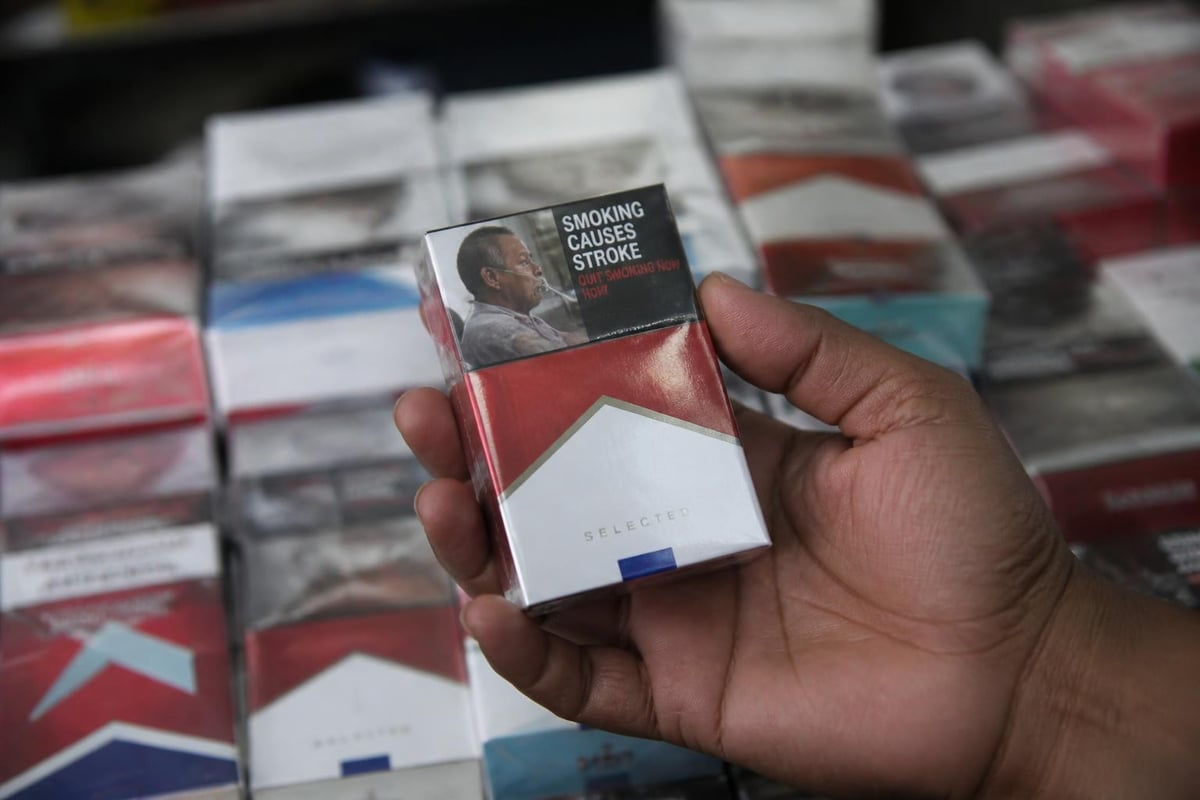
Health warnings occupy the majority of cigarette packet real estate under Australian law. These warnings serve both informational and deterrent purposes, providing graphic images and text messages about smoking-related health risks.
Structure of Warning Messages
Each cigarette packet displays one of fourteen rotating health warnings on the front and back. Front warnings cover 75% of the principal display area, whilst back warnings occupy 90%. This significant coverage ensures visibility and message penetration.
Warning messages address various health concerns:
- Lung cancer and respiratory diseases
- Heart disease and stroke
- Impact on pregnancy and fertility
- Effects on skin and ageing
- Addiction and dependency
- Blindness and vision loss
- Gangrene and circulation problems
Quitline information appears prominently on all packets, providing resources for smokers considering cessation. The telephone number 13 78 48 and website quitnow.gov.au feature on every warning panel.
Variant and Product Information
Beyond health warnings, cigarette packets provide essential product details. Manufacturers must clearly display:
- Brand name in standardised font and colour
- Variant descriptor (e.g., "Original", "Smooth", "Fine Cut")
- Cigarette count (typically 20, 23, 25, or 30 per pack)
- Tar, nicotine, and carbon monoxide yields (where required)
- Manufacturer information in small print
- Import/distribution details for international products
This information helps consumers make informed choices when selecting between variants or comparing products within the same brand family. Popular brands like Marlboro and Winfield offer multiple variants, each clearly identified on packet labelling.
TL;DR: Australian cigarette packets combine plain packaging compliance, mandatory health warnings covering up to 90% of surfaces, security features like tax stamps and batch codes, and essential product information to help adult smokers identify genuine products whilst meeting strict regulatory requirements introduced in 2012.
Physical Characteristics and Packet Construction
Cigarette packets vary in physical dimensions, construction methods, and structural features. These characteristics affect product protection, portability, and user experience.
Common Packet Formats
Australian and international cigarette packets typically follow several standard formats:
Flip-top boxes remain the most prevalent format, featuring a hinged lid that opens upward. This construction protects cigarettes whilst allowing easy access. The lid typically includes an inner foil seal maintaining freshness until first opening.
Slide boxes use a drawer-style construction where an inner sleeve slides out from an outer shell. This format offers enhanced protection but requires two-handed opening in most cases.
Soft packs wrapped in paper and foil provide a more compact, flexible option. Common in some international markets, soft packs take up less space but offer reduced protection compared to rigid boxes.
Material Quality and Durability
Premium cigarette packets use higher-grade cardboard stock and superior construction techniques. Adult smokers often notice differences in:
- Cardboard thickness and rigidity
- Hinge durability on flip-top designs
- Inner foil quality and seal integrity
- Print quality and colour consistency
- Resistance to moisture and crushing
Brands positioning themselves as premium products, such as Dunhill or Davidoff, typically employ heavier card stock and reinforced construction. Budget-oriented brands may use lighter materials whilst still meeting regulatory standards.
Freshness Indicators and Storage Considerations
Cigarette packets incorporate features designed to maintain product freshness from manufacturing through to consumption. Understanding these elements helps smokers assess product condition and storage requirements.
Foil Inner Seals
Nearly all cigarette packets include an inner aluminium foil seal that protects contents from moisture, air exposure, and contamination. This seal remains intact until the consumer first opens the packet, indicating the product hasn't been previously accessed.
Seal integrity provides immediate freshness verification. Damaged, missing, or poorly adhered seals may indicate:
- Improper storage conditions
- Product tampering
- Manufacturing defects
- Age or staleness concerns
When purchasing cigarettes online, reputable suppliers ensure products arrive with intact seals and appropriate packaging protection during transit. Understanding shipping policies helps set expectations for delivery condition and timeframes.
Production and Expiry Dating
Whilst cigarettes don't technically expire like perishable goods, they do lose quality over time. Cigarette packets display production dates through various coding systems:
| Code Type | Format | Location | Purpose |
|---|---|---|---|
| Julian date | Three-digit day code | Bottom or side | Production tracking |
| Batch number | Alphanumeric code | Side panel | Quality control |
| Best-before indicator | Month/Year | Select markets | Freshness guidance |
| Facility code | Letter or number | Various locations | Manufacturing plant ID |
Understanding these codes helps consumers assess product age when purchasing from clearance sales or limited stock offerings. Fresh cigarettes deliver better flavour and burn characteristics compared to stale products.
Brand-Specific Packaging Details
Despite plain packaging standardisation, different brands maintain distinctive characteristics within regulatory constraints. Experienced smokers recognise their preferred products through subtle packaging differences.
Premium vs Standard Packaging
Premium cigarette brands often employ enhanced construction techniques even within plain packaging requirements:
Premium indicators:
- Heavier cardboard stock (300gsm+)
- Magnetic closure systems on flip-top lids
- Metallic or embossed foil liners
- Reinforced corner construction
- Superior hinge mechanisms
Standard features:
- Standard cardboard weight (250-280gsm)
- Conventional flip-top or slide construction
- Standard foil inner seals
- Basic printing and finishing
These differences don't affect regulatory compliance but influence perceived quality and user experience. Brands like Marlboro Gold or Benson & Hedges maintain premium construction standards across their product ranges.
Carton vs Individual Packet Considerations
Purchasing cigarettes by the carton rather than individual packets offers practical advantages for regular smokers. Cartons provide:
- Cost efficiency through bulk pricing
- Consistent batch quality with all packets from same production run
- Extended storage with outer carton protection
- Reduced shopping frequency and convenience
- Better value when accessing best offers
Cartons themselves display health warnings and regulatory information, creating a double-layer of informational packaging. The outer carton protects individual packets during storage and transport, particularly important for Australian consumers receiving products via postal delivery.

International Packet Variations
Australian smokers accessing imported cigarettes encounter packaging differences reflecting diverse international regulatory environments. These variations affect packet appearance, information display, and structural characteristics.
Regional Packaging Standards
Different markets implement unique packaging requirements:
Asian markets (Japan, South Korea, Philippines) often feature:
- Smaller warning labels compared to Australian standards
- Multi-language text (local language + English)
- Distinctive tax stamp designs
- Region-specific health messaging
- Different pack sizes (16, 19, 20 cigarettes)
European markets maintain:
- EU-standardised warning formats
- Combined text and graphic warnings
- Track and trace coding systems
- Multiple language requirements
- Standardised packet dimensions
North American products display:
- FDA-mandated warning statements in the US
- Health Canada's specific messaging requirements for Canadian products
- Surgeon General warnings
- State-specific markings
- Different graphic warning approaches
Understanding these variations helps Australian consumers identify legitimate international products and set appropriate expectations when purchasing imported brands.
Authenticity Verification for Imported Products
Imported cigarette packets should display several verification markers:
- Country of origin labelling clearly stating manufacturing location
- Import documentation codes indicating Australian customs clearance
- Distributor information for Australian market
- Appropriate warning labels even if different from domestic Australian format
- Genuine tax stamps from country of origin
Reputable online retailers provide detailed product descriptions and images showing packaging characteristics, helping consumers verify authenticity before purchase. The new arrivals section often features recently imported products with clear packaging documentation.
Environmental and Disposal Considerations
Cigarette packets contribute to environmental waste streams, prompting increased focus on disposal methods and packaging sustainability. Australian adult smokers increasingly consider environmental impact alongside product preferences.
Packaging Material Composition
Modern cigarette packets typically consist of:
- Card outer shell: Usually recyclable cardboard, though plain packaging inks may affect recyclability
- Aluminium foil lining: Technically recyclable but often contaminated with tobacco residue
- Adhesive components: Various glues and bonding agents
- Plastic inner wrapper: Some packets include thin plastic film (not recyclable in standard streams)
Disposal best practices include separating components where possible, removing foil liners for general waste, and recycling cardboard shells through appropriate channels. Local council recycling guidelines vary, so checking specific requirements ensures proper disposal.
Packet Reuse and Repurposing
Some smokers reuse empty cigarette packets for:
- Temporary storage of loose items
- Travel containers for pills or small objects
- Craft and art projects
- Fire-starting tinder (in appropriate settings)
- Pocket organisers
Whilst these applications extend packet utility, they don't significantly reduce overall environmental impact. Proper recycling remains the most environmentally responsible disposal method.
What to Check Before Purchasing
Adult smokers should verify several key factors when purchasing cigarette packets, particularly through online channels where physical inspection isn't possible before delivery.
Pre-Purchase Verification Checklist
Before completing a cigarette purchase, confirm:
Product authenticity markers:
- Clear product images showing packet features
- Visible tax stamps or regulatory markings
- Brand-specific packaging characteristics
- Appropriate health warning displays
- Correct variant and count labelling
Seller credibility indicators:
- Established business with verifiable contact details
- Clear shipping and refund policies
- Age verification processes
- Secure payment systems
- Customer support availability
Product condition expectations:
- Freshness indicators and production dating
- Appropriate storage during warehousing
- Protective shipping packaging
- Delivery timeframes (typically 2-5 business days in Australia)
- Order tracking capabilities
Reputable online tobacco retailers provide comprehensive product information, clear imagery, and transparent policies addressing these verification points.
Understanding Variant Differences
Many cigarette brands offer multiple variants distinguished by packaging descriptors. Common variant indicators include:
| Variant Type | Common Descriptors | Typical Characteristics |
|---|---|---|
| Strength | Original, Red, Full Flavour | Standard nicotine/tar levels |
| Lighter options | Blue, Silver, Gold, Lights | Reduced nicotine/tar |
| Ultra-light | White, Ultra, One | Minimal nicotine/tar |
| Menthol | Green, Fresh, Chill, Crush | Menthol flavouring |
| Length | King Size, 100s, Longs | Extended cigarette length |
| Slim | Slims, Superslims | Narrower diameter |
Understanding these descriptors helps consumers select appropriate variants when exploring different cigarette brands or trying new products. Packet labelling clearly indicates variant type within plain packaging constraints.
Regulatory Compliance and Legal Considerations
Australian cigarette packet regulations extend beyond visual appearance to encompass import requirements, tax compliance, and sale restrictions. Understanding these legal frameworks protects consumers and ensures legitimate purchases.
Australian Tobacco Excise Requirements
All cigarettes sold legally in Australia must comply with excise tax regulations. Cigarette packets display evidence of tax compliance through:
- Official tax stamps applied by the Australian Taxation Office or licensed distributors
- Import duty markings for international products
- Excise declaration codes indicating tax payment
- Licensed distributor information showing authorised Australian handlers
Products sold without appropriate tax compliance constitute illegal contraband, potentially subjecting purchasers to legal consequences. Legitimate retailers ensure all products meet Australian excise requirements before sale.
Age Restriction Compliance
Australian law prohibits tobacco sales to persons under 18 years. Online retailers implement age verification processes including:
- ID verification at account creation or checkout
- Age declaration statements requiring confirmation
- Delivery verification with adult signature requirements
- Compliance documentation maintained for regulatory purposes
These protections ensure products reach only adult consumers legally entitled to purchase tobacco products. Responsible retailers prioritise compliance with age restriction legislation.
Storage and Transportation of Cigarette Packets
Proper storage maintains cigarette quality between purchase and consumption. Understanding optimal storage conditions helps preserve product characteristics and prevent deterioration.
Optimal Storage Conditions
Cigarettes maintain best quality when stored in:
Temperature-controlled environments:
- Room temperature (18-22°C ideal)
- Avoid extreme heat or cold
- Prevent freezing (damages tobacco structure)
- Avoid direct sunlight exposure
Humidity-managed spaces:
- Moderate humidity (55-65% RH optimal)
- Prevent excessive dryness (causes harsh smoke)
- Avoid moisture accumulation (promotes mould)
- Sealed containers for long-term storage
Protected locations:
- Away from strong odours (tobacco absorbs ambient smells)
- Secure from crushing or physical damage
- Clean, dry areas free from contamination
- Original packaging maintained for protection
Carton purchases benefit from outer packaging protection during storage. Individual packets removed from cartons should remain sealed until use.
Transportation Considerations
When transporting cigarette packets, particularly during Australian summer months:
- Avoid vehicle interiors where temperatures exceed safe ranges
- Use insulated bags for extended transport periods
- Maintain packet orientation to prevent cigarette damage
- Protect from moisture during wet weather
- Secure packaging prevents crushing in bags or pockets
Online retailers use appropriate packaging methods ensuring products arrive in optimal condition despite varying weather conditions during Australian postal transit.
Brand Loyalty and Packet Recognition
Australian adult smokers often develop strong brand preferences, with cigarette packets serving as immediate recognition markers despite plain packaging uniformity. This loyalty influences purchasing decisions and product selection.
Recognition Patterns
Experienced smokers identify preferred brands through:
- Brand name positioning and text layout
- Variant colour coding in descriptive text
- Pack dimensions and structural characteristics
- Price point positioning within retail contexts
- Habitual visual cues developed over time
Research indicates that whilst plain packaging reduces appeal to non-smokers and youth, established adult smokers maintain brand recognition capabilities. The backup brand habit many Australian smokers develop demonstrates continued brand differentiation despite standardised appearance.
Switching Behaviour and Packet Exploration
Some adult smokers regularly explore different brands and variants, using packet information to guide selection. Factors encouraging brand switching include:
- Special offers on best offers collections
- Product availability through limited stock situations
- Price variations between brands and retailers
- Curiosity about new or imported products
- Variant experimentation within familiar brand families
Online retail environments facilitate brand exploration through comprehensive product catalogues, detailed descriptions, and comparison shopping capabilities unavailable in traditional retail settings.
Technical Specifications and Manufacturing Standards
Cigarette packets meet specific manufacturing standards ensuring consistency, protection, and regulatory compliance. These technical specifications affect product quality and user experience.
Dimensional Standards
Standard cigarette packets follow established dimensional ranges:
20-cigarette king size packets:
- Height: 84-86mm
- Width: 54-56mm
- Depth: 22-24mm
25-cigarette packets:
- Height: 84-86mm
- Width: 66-68mm
- Depth: 22-24mm
Slim variants:
- Height: 84-86mm
- Width: 48-50mm
- Depth: 20-22mm
These dimensions accommodate standard cigarette sizes whilst optimising portability and protection. Variations exist for specialty products like 100mm cigarettes or superslim variants.
Quality Control Markings
Manufacturing facilities implement quality control systems documented through packet markings:
- Production line codes identifying specific manufacturing equipment
- Quality inspector stamps indicating inspection completion
- Batch numbering systems enabling product tracing
- Facility identification codes showing production location
- Shift markers documenting production timing
These codes assist manufacturers in quality tracking and enable rapid response to any quality issues. Consumers rarely need to interpret these markings, but their presence indicates proper manufacturing oversight.
Understanding cigarette packet features, from regulatory compliance to authentication markers, helps Australian adult smokers make informed purchasing decisions and verify product quality. Whether you're exploring new brands, purchasing imported products, or seeking the best value through carton purchases, Cigarette Nearby offers a comprehensive selection of authentic cigarette products with secure ordering, age verification, discreet packaging, and reliable Australia-wide delivery within 2-5 business days.


