















Understanding what goes into a cigarette remains one of the most discussed topics among adult smokers in Australia. The contents of cigarettes include far more than just tobacco leaves, encompassing a complex mixture of natural plant material, chemical compounds, and carefully selected additives. For smokers browsing collections at retailers or researching premium tobacco brands, knowing exactly what they're purchasing provides valuable context for informed decisions in 2026.
Chemical Composition of Modern Cigarettes
The contents of cigarettes have evolved significantly over decades of commercial production. When examining a standard cigarette, you'll find multiple components working together.
Primary structural elements include:
- Tobacco blend (various curing methods and leaf types)
- Cigarette paper (treated with burn-control chemicals)
- Filter material (typically cellulose acetate)
- Adhesive compounds (holding components together)
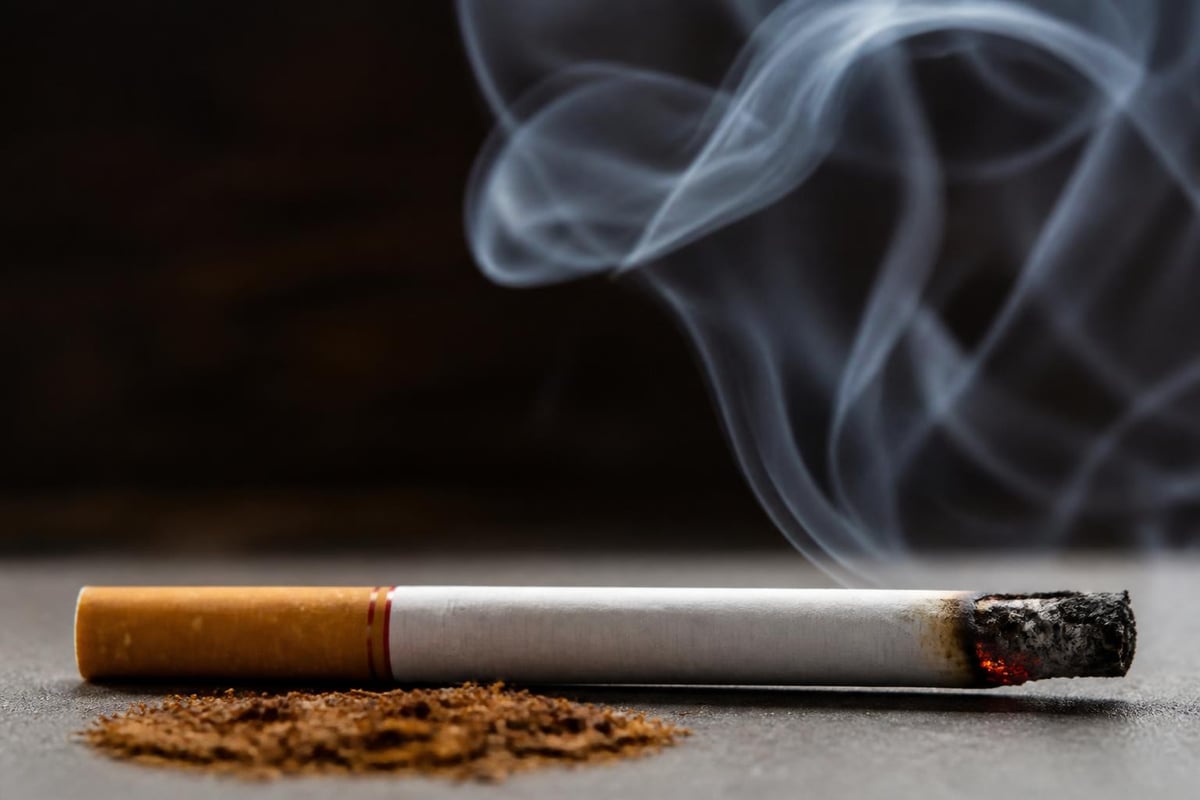
Research indicates that cigarettes contain approximately 600 ingredients before combustion. When lit, these ingredients generate over 7,000 chemical compounds, with at least 69 identified as known carcinogens. This chemical transformation occurs instantly as temperatures inside a burning cigarette reach 900 degrees Celsius at the tip.
The tobacco itself undergoes extensive processing before reaching the final product. Manufacturers blend different tobacco varieties-Virginia, Burley, and Oriental-each contributing distinct flavour profiles and chemical characteristics. These blends determine much of what adult smokers experience when comparing best-selling brands side by side.
Tobacco Processing and Treatment
The journey from harvested tobacco leaf to finished cigarette involves multiple industrial processes. Curing methods-air-cured, flue-cured, sun-cured, or fire-cured-significantly alter the chemical makeup of tobacco leaves. Each method produces different levels of nicotine, sugar content, and flavour compounds.
After curing, tobacco undergoes fermentation, blending, and often reconstitution. Reconstituted tobacco uses stems, scraps, and tobacco dust mixed with adhesives to create sheet material that supplements whole-leaf tobacco. This practice maximises tobacco utilisation while maintaining consistency across production batches.
| Tobacco Type | Curing Method | Primary Characteristics | Common Brands |
|---|---|---|---|
| Virginia | Flue-cured | High sugar content, bright flavour | Marlboro, Dunhill, Winston |
| Burley | Air-cured | Low sugar, higher nicotine, nutty notes | Many American blends |
| Oriental | Sun-cured | Aromatic, spicy characteristics | Premium and specialty brands |
Temperature and humidity control during processing ensure the contents of cigarettes remain stable during storage and transport. This consistency matters particularly for Australian smokers ordering cartons online, where products may spend several days in transit before reaching their destination.
Additives and Flavour Enhancement Compounds
Beyond natural tobacco, the contents of cigarettes include numerous additives serving specific purposes. Manufacturers don't randomly select these compounds-each serves a functional role in product consistency, shelf life, or smoking experience.
Common additive categories include:
- Humectants (glycerol, propylene glycol) - maintain moisture levels
- Sugars (glucose, fructose, cocoa) - enhance flavour and smoothness
- Flavouring agents (menthol, vanilla, liquorice) - modify taste profiles
- Burn accelerants (potassium citrate, sodium citrate) - control combustion rate
- Ammonia compounds - facilitate nicotine delivery
Scientific assessment of these ingredients reveals complex interactions when heated. Sugars caramelise during combustion, creating aldehydes and other compounds. Ammonia-based additives convert nicotine into its freebase form, which crosses lung membranes more readily.
The Australian market features cigarettes manufactured globally, each adhering to different regulatory standards for additive disclosure. When adult smokers explore imported cigarette options, they encounter varying additive profiles reflecting manufacturing origin.
How Flavouring Impacts Perception
Menthol remains the most recognised additive among the contents of cigarettes available in Australia. This compound creates a cooling sensation, numbing throat irritation and making smoke feel smoother. However, menthol represents just one option in a broader spectrum of flavouring possibilities.
Vanilla extracts, cocoa powder, and liquorice derivatives appear frequently in ingredient lists. These additives don't necessarily make cigarettes taste like chocolate or dessert-they subtly round out harsh tobacco notes, creating what smokers describe as a more refined or premium experience.
Nicotine Content and Delivery Mechanisms
Nicotine stands as the primary pharmacologically active component among the contents of cigarettes. This alkaloid naturally occurs in tobacco plants as a defence mechanism against insects, with concentrations varying by species and growing conditions.
Modern cigarettes typically contain 10-12 milligrams of nicotine per stick, though smokers absorb only 1-2 milligrams depending on smoking behaviour. Factors influencing nicotine delivery include:
- Tobacco blend composition
- Paper porosity and ventilation holes
- Filter design and efficiency
- Puff frequency and depth
- Time between cigarettes
Different brands engineer specific nicotine delivery profiles. Some aim for rapid nicotine peaks, whilst others provide gradual, sustained delivery. This variation explains why smokers often notice distinct sensations when switching between cigarette brands even when stated nicotine levels appear similar.
Filter Technology and Chemical Reduction
Cigarette filters represent a significant evolution in understanding the contents of cigarettes. Introduced commercially in the 1950s, filters initially used cotton before manufacturers transitioned to cellulose acetate, which remains standard today.
| Filter Type | Material | Filtration Approach | Effect on Contents |
|---|---|---|---|
| Standard | Cellulose acetate | Particle trapping | Reduces tar delivery by 30-40% |
| Ventilated | Perforated cellulose | Air dilution | Lowers smoke concentration |
| Activated charcoal | Cellulose + carbon granules | Chemical adsorption | Removes select volatile compounds |
| Recessed | Extended cavity design | Cooling and condensation | Reduces temperature and some gases |
Ventilation holes around filters dilute smoke with air, reducing measured tar and nicotine yields in standardised testing. However, real-world delivery differs as smokers unconsciously block ventilation holes with fingers or lips, or compensate by taking deeper puffs.
Activated charcoal filters specifically target volatile organic compounds and certain gases among the contents of cigarettes. Brands incorporating this technology often market toward smokers seeking what they perceive as a cleaner smoking experience, though health authorities emphasise no cigarette qualifies as safe.
Toxic Compounds and Combustion By-products
When discussing the contents of cigarettes, distinguishing between ingredients and combustion products proves crucial. Many toxic compounds don't exist in the unlit cigarette-they form during burning.
Major toxic categories include:
- Heavy metals (lead, cadmium, arsenic, chromium)
- Volatile organic compounds (benzene, toluene, formaldehyde)
- Polycyclic aromatic hydrocarbons (benzo[a]pyrene, naphthalene)
- Tobacco-specific nitrosamines (NNK, NNN)
- Carbon monoxide and nitrogen oxides
Detailed analysis reveals that formaldehyde, commonly known as embalming fluid, forms as tobacco and additives burn. Acetone, found in nail polish remover, appears in mainstream smoke. Arsenic, historically used in pesticides on tobacco crops, concentrates in leaves and persists through processing.
The presence of these compounds explains why health authorities universally recommend cessation. Understanding the contents of cigarettes helps contextualise these warnings for adult smokers evaluating their choices.
Time-Based Chemical Exposure
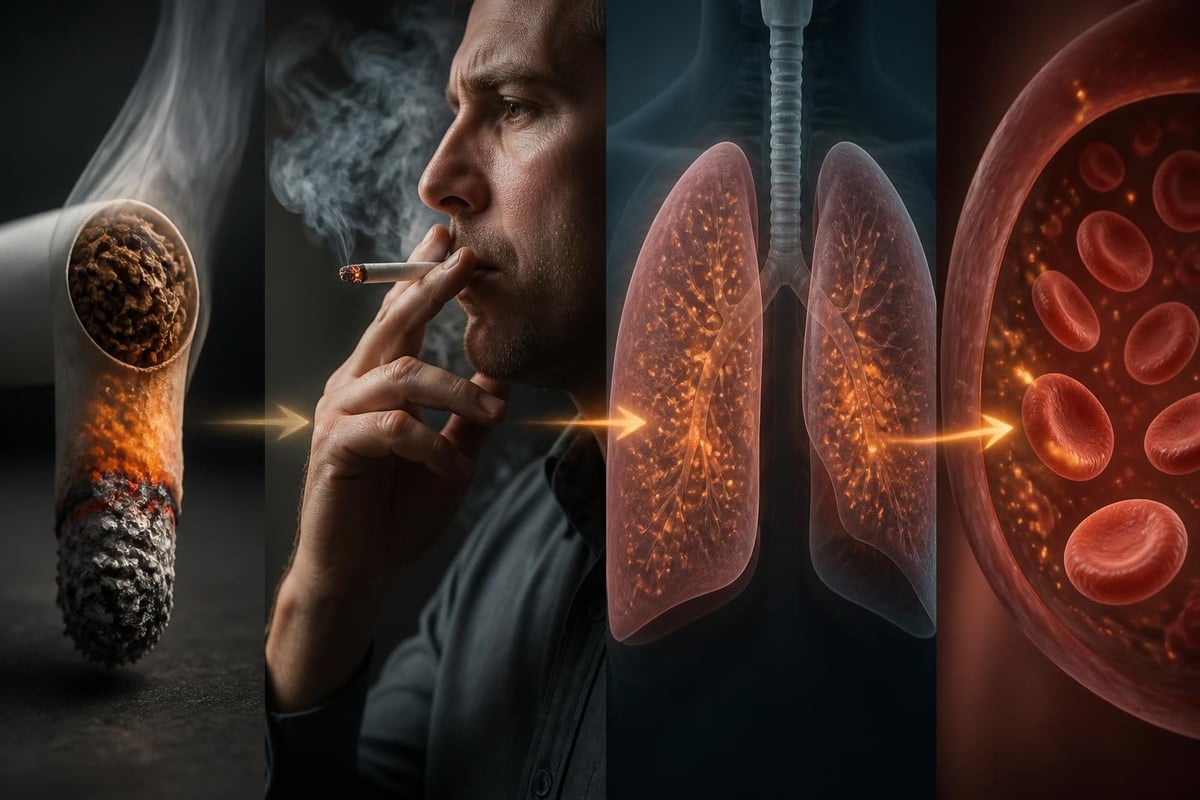
How long someone smokes directly correlates with cumulative chemical exposure. A pack-a-day smoker inhales these compounds approximately 7,300 times annually. Over decades, this exposure pattern contributes to long-term health impacts documented extensively in medical literature.
Exposure scaling by smoking duration:
- One year - Approximately 7,300 cigarettes (one pack daily)
- Five years - Around 36,500 cigarettes
- Ten years - Roughly 73,000 cigarettes
- Twenty years - Approximately 146,000 cigarettes
These figures illustrate why time becomes a critical factor. The cumulative nature of chemical exposure explains why health professionals emphasise that quitting at any point provides benefits, with improvement beginning within hours of the last cigarette.
Cost Implications of Understanding Cigarette Contents
Knowing what comprises the contents of cigarettes influences purchasing decisions for many Australian smokers. Premium brands often justify higher prices by emphasising tobacco quality, specific blends, or proprietary processing methods.
When comparing best offers across different brands, understanding that fundamental contents remain similar helps separate marketing from substance. A premium cigarette and an economy option both contain tobacco, paper, filter, and additives-the differences lie in blend quality, processing refinement, and consistency.
Price factors related to cigarette contents:
- Tobacco grade and origin - Premium leaf costs more
- Additive quality - Natural versus synthetic flavourings
- Filter technology - Advanced filtration increases production cost
- Consistency control - Tighter specifications require better quality assurance
- Brand positioning - Marketing and packaging expenses
For budget-conscious smokers, recognising these distinctions helps identify genuine value. Sometimes lower-priced options deliver satisfactory experiences despite simpler contents, whilst premium pricing doesn't always correlate with proportionally better ingredients.
Who Should Consider Quitting
Understanding the contents of cigarettes naturally raises questions about cessation. Health authorities in Australia recommend all smokers consider quitting, but certain groups face particularly elevated risks.
Priority groups for cessation include:
- Individuals with existing respiratory conditions (asthma, COPD, chronic bronchitis)
- People with cardiovascular disease or risk factors
- Pregnant women and those planning pregnancy
- Parents of young children exposed to secondhand smoke
- Workers in occupations with additional respiratory hazards
- Anyone experiencing smoking-related health symptoms
The Quitline (13 7848) provides free telephone counselling for Australian smokers considering cessation. Many smokers benefit from professional support, as nicotine dependence-central to the contents of cigarettes-creates both physical and psychological challenges.
What Happens When You Quit
Cessation triggers immediate and long-term physiological changes as the body clears chemicals from the contents of cigarettes.
| Time Since Last Cigarette | Physical Changes | Health Improvements |
|---|---|---|
| 20 minutes | Heart rate and blood pressure drop | Circulation begins improving |
| 12 hours | Carbon monoxide levels normalise | Oxygen delivery improves |
| 2-12 weeks | Circulation improves significantly | Lung function increases |
| 1-9 months | Coughing and shortness of breath decrease | Cilia regain normal function |
| 1 year | Heart disease risk drops by half | Significant cardiovascular improvement |
| 5-15 years | Stroke risk equals non-smoker | Major risk reduction achieved |
These timelines demonstrate that whilst the contents of cigarettes create dependency and health impacts, the body possesses remarkable recovery capacity. Cost savings also accumulate rapidly-a pack-a-day smoker who quits saves thousands annually, funds previously spent on purchasing cigarettes.
Regulatory Oversight of Cigarette Ingredients
Australian tobacco regulations require manufacturers to disclose certain information about the contents of cigarettes, though complete transparency remains limited. The Tobacco Plain Packaging Act 2011 and subsequent amendments established standardised packaging whilst maintaining health warnings.
Ingredient disclosure requirements vary internationally. European Union regulations demand detailed reporting of all additives, whilst Australian requirements focus primarily on emission testing and health warning compliance. This regulatory variation means imported cigarettes available through specialist retailers may have different disclosure standards than domestic products.
Key regulatory areas affecting cigarette contents:
- Additive restrictions - Certain flavourings prohibited
- Emission limits - Maximum allowable tar, nicotine, carbon monoxide
- Ingredient reporting - Manufacturer disclosure to authorities
- Health warning requirements - Graphic warnings covering packaging
- Youth access prevention - Age verification and sales restrictions
These regulations aim to reduce harm whilst acknowledging that adult smokers retain purchase rights. Understanding regulatory frameworks helps consumers recognise what protections exist regarding the contents of cigarettes they purchase.
Comparing Natural Tobacco to Processed Cigarettes
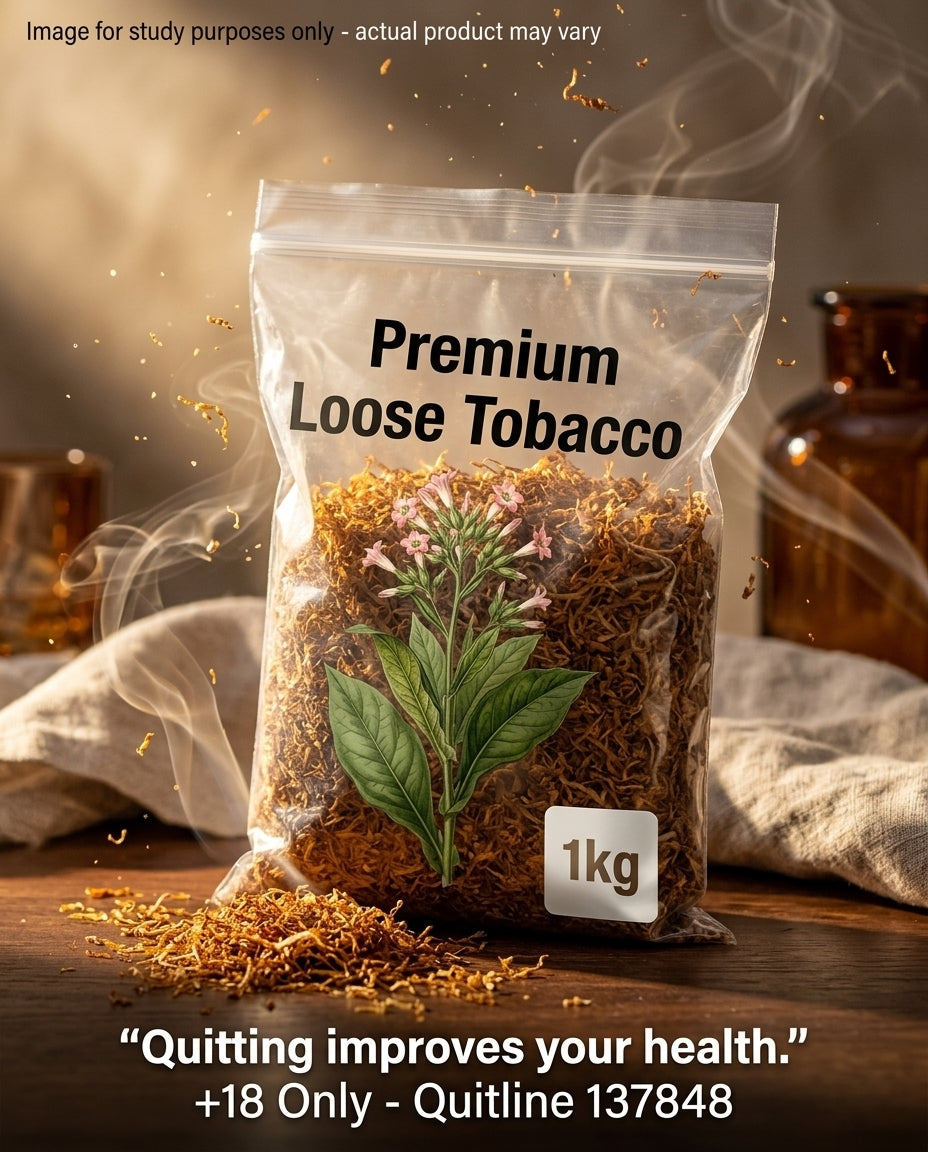
Some smokers question whether rolling tobacco offers different contents compared to manufactured cigarettes. Loose tobacco contains fewer additives primarily because processing differs-there's no need for moisture retention agents or burn accelerants in the same quantities.
However, "natural" doesn't equal "safe." When rolled and smoked, loose tobacco produces similar combustion by-products to manufactured cigarettes. The contents of cigarettes and hand-rolled tobacco both include tobacco leaves with inherent toxic compounds that multiply during burning.
Key differences between formats:
- Additive levels - Roll-your-own typically contains fewer additives
- Tobacco density - Hand-rolled cigarettes often packed less uniformly
- Paper selection - More variety in papers affects combustion
- Filter options - Smokers choose filter type and size
- Portion control - Variable tobacco amounts per cigarette
Cost considerations drive many toward loose tobacco. Per-cigarette costs drop significantly when rolling manually, though this requires time investment and skill development. The fundamental contents remain tobacco and paper, with comparable health implications regardless of format.
Brand Variations in Cigarette Contents
Different cigarette brands distinguish themselves partly through variations in the contents of cigarettes they offer. Marlboro, Dunhill, Winston, and other major names each employ proprietary blends and processing methods.
Virginia-blend cigarettes predominate in the Australian market, characterised by bright, slightly sweet tobacco flavours. American-blend cigarettes combine Virginia, Burley, and Oriental tobaccos for complexity. English blends often emphasise Virginia tobacco with specific casing and topping applications.
Popular brand categories and their typical contents:
| Brand Category | Typical Blend | Distinctive Characteristics | Example Brands |
|---|---|---|---|
| Premium Virginia | Primarily flue-cured tobacco | Smooth, sweet notes | Marlboro, Dunhill |
| American Blend | Virginia, Burley, Oriental mix | Balanced, full flavour | Winston, Kent |
| Oriental Focus | Higher Oriental tobacco ratio | Aromatic, spicy profile | Selected premium brands |
| Menthol Variants | Standard blend plus menthol | Cooling sensation | Menthol versions of major brands |
Understanding these distinctions helps explain why smokers develop brand preferences. The contents of cigarettes vary sufficiently between categories that switching brands produces noticeably different experiences, as explored in articles about why some cigarettes feel smoother than others.
Storage Impact on Cigarette Contents
The contents of cigarettes change when improperly stored. Moisture loss, exposure to temperature extremes, and contamination all degrade product quality.
Optimal storage maintains 12-14% moisture content in tobacco. Below this threshold, cigarettes become harsh and burn faster. Above it, mould growth risks increase. Carton purchases require attention to storage conditions, particularly in Australia's varied climate zones.
Storage best practices:
- Keep cigarettes in original packaging until use
- Store in cool, dry locations away from direct sunlight
- Avoid temperature fluctuations (don't leave in vehicles)
- Maintain moderate humidity levels
- Check expiration dates on cartons
- Use opened packs within days to prevent staleness
For smokers purchasing cartons online, proper storage extends product life and maintains the intended characteristics manufacturers designed into the contents of cigarettes.
Environmental Considerations of Cigarette Waste
The contents of cigarettes create environmental challenges post-consumption. Cigarette butts represent the most littered item globally, with filters taking 10-15 years to decompose whilst leaching toxic compounds into soil and water.
Cellulose acetate filters contain thousands of chemicals absorbed during smoking. When discarded improperly, these chemicals contaminate ecosystems. Marine environments face particular harm, as cigarette waste affects aquatic life at multiple trophic levels.
Environmental impact factors:
- Filter decomposition releases trapped toxins
- Microplastic formation from filter breakdown
- Chemical leaching into water systems
- Wildlife ingestion and entanglement risks
- Visual pollution in public spaces
Responsible disposal matters for environmentally conscious smokers. Designated receptacles, portable ashtrays, and proper waste management reduce the environmental footprint associated with the contents of cigarettes.
The Chemistry of Smoke Versus Vapour
Comparing the contents of cigarettes to alternative nicotine delivery systems reveals fundamental differences. Combustion at 900 degrees Celsius produces entirely different chemical profiles than lower-temperature vaporisation.
Traditional cigarette smoke contains solid particles (tar), gases, and vapour-phase compounds. This complex aerosol includes complete and incomplete combustion products, thermal degradation compounds, and volatilised additives.
Alternative systems that heat rather than burn tobacco eliminate combustion by-products but retain some tobacco-derived compounds. Understanding these distinctions helps smokers evaluate options, though health authorities emphasise that complete cessation remains the only way to eliminate tobacco-related health risks entirely.
Making Informed Choices About Cigarette Purchases
Knowledge about the contents of cigarettes empowers better purchasing decisions. Adult smokers weighing options should consider multiple factors beyond immediate price.
Decision-making criteria:
- Brand reputation and consistency - Established brands maintain stricter quality control
- Personal taste preferences - Blend types affect satisfaction
- Price versus value assessment - Lowest cost doesn't always mean best value
- Purchasing convenience - Online ordering versus retail availability
- Storage capacity - Carton purchases require proper storage facilities
Comparing top-rated options across these criteria helps identify products meeting individual needs. The contents of cigarettes within each price tier share fundamental similarities, with differences emerging in refinement and consistency rather than basic composition.
Health Warning Interpretation and Risk Communication
Australian cigarette packaging features graphic health warnings covering 75% of the front and 90% of the back. These warnings communicate risks associated with the contents of cigarettes through visual and textual messages.
Understanding these warnings requires recognising that they address population-level risks rather than individual outcomes. Smoking increases disease probability across large groups, though individual experiences vary based on genetics, overall health, exposure duration, and other factors.
Common warning themes include:
- Lung cancer and respiratory disease
- Cardiovascular complications
- Reproductive health impacts
- Oral health deterioration
- Secondhand smoke risks to others
These warnings reflect extensive research on how the contents of cigarettes affect human health over time. They serve as constant reminders for smokers to consider cessation whilst acknowledging that adult Australians retain the legal right to purchase tobacco products.
Understanding the contents of cigarettes provides essential context for adult smokers making purchasing decisions and evaluating their relationship with tobacco. From the 600+ ingredients before lighting to the 7,000+ chemicals produced during combustion, cigarettes represent complex chemical systems with well-documented health implications. For Australian smokers seeking quality products with transparent information and convenient delivery, Cigarette Nearby offers an extensive selection of branded cigarettes and premium tobacco with secure ordering, discreet packaging, and nationwide shipping within 2-5 business days. Whether exploring new brands or maintaining familiar preferences, access to reliable products and information supports informed decision-making in 2026.


