








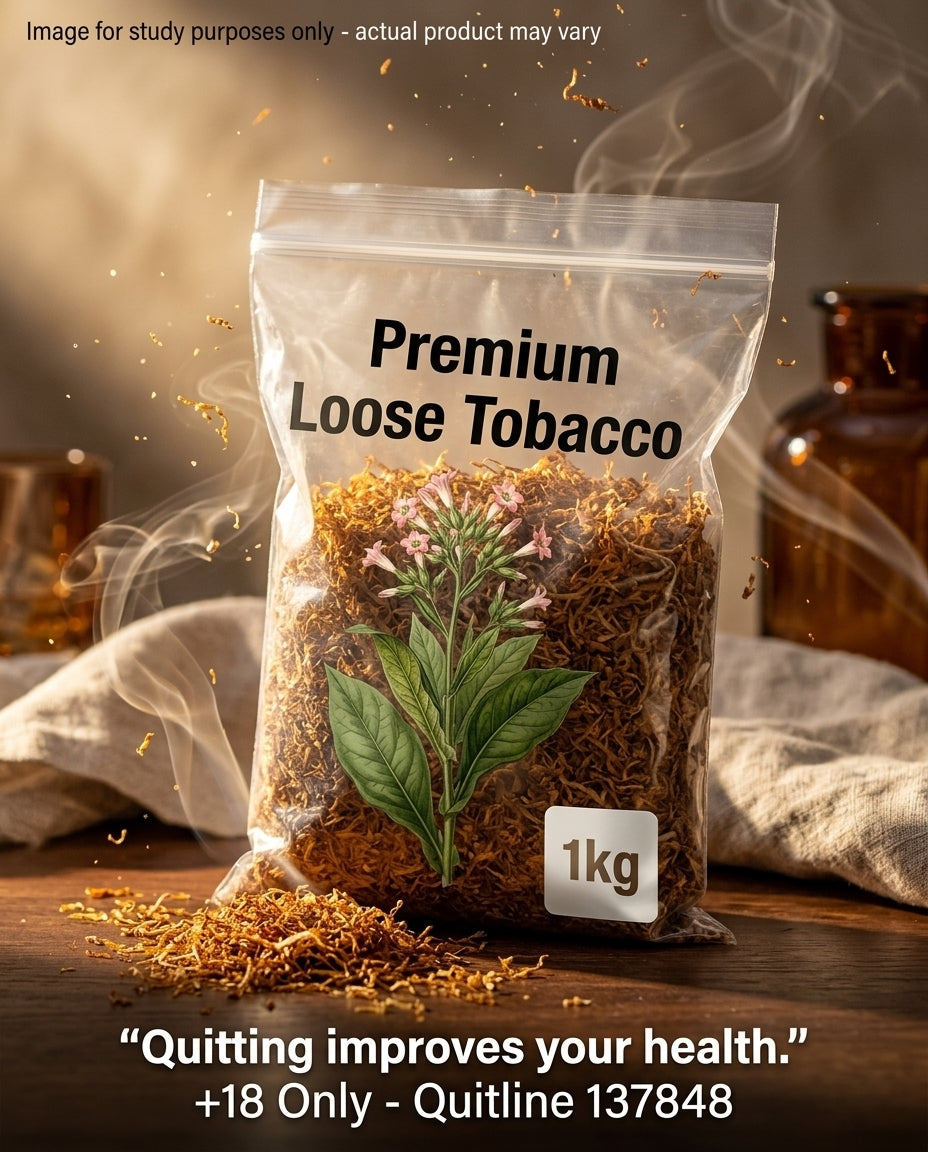








Loose tobacco has become an increasingly popular choice among Australian adult smokers who prefer the customization and control offered by roll-your-own (RYO) cigarettes. Unlike pre-packaged cigarettes, loose tobacco provides smokers with the ability to adjust the size, density, and characteristics of each cigarette they create. This flexibility, combined with economic considerations and personal preferences, has driven steady interest in RYO products across major Australian cities and regional areas. Understanding the nuances of loose tobacco-from cut types and moisture content to brand variations and rolling techniques-helps adult smokers make informed decisions about their tobacco purchases.
Understanding Loose Tobacco and RYO Products
Loose tobacco refers to tobacco leaves that have been processed, cut, and packaged for consumers to roll their own cigarettes. This category encompasses various tobacco types, cuts, and blends that cater to different smoking preferences.
The fundamental difference between loose tobacco and pre-made cigarettes lies in the level of consumer involvement. RYO tobacco requires additional materials-rolling papers, filters, and often a rolling machine-but offers greater control over the final product. Many adult smokers appreciate this hands-on approach, finding it more satisfying than purchasing pre-rolled options.
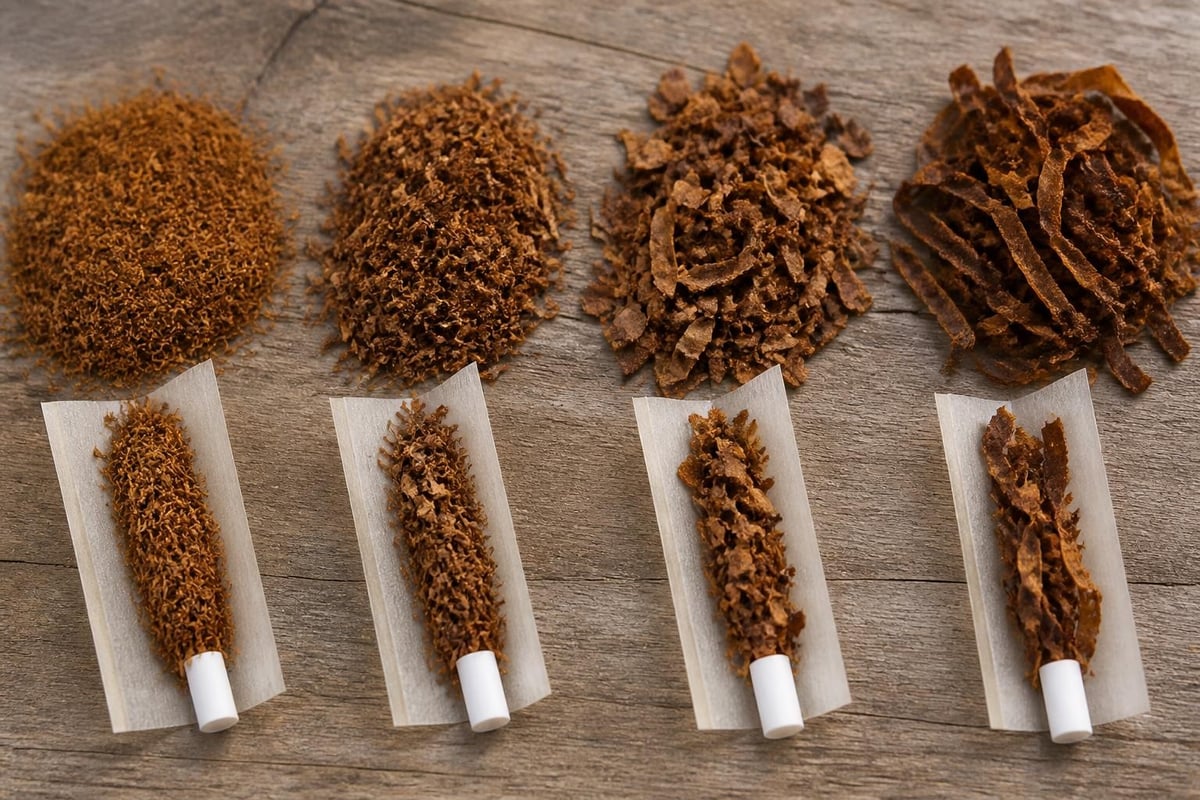
Types of Loose Tobacco Cuts
Different cutting styles affect how tobacco burns, tastes, and rolls:
- Fine cut: Easier to roll, burns faster, ideal for beginners
- Medium cut: Balanced burn rate, versatile for different rolling techniques
- Coarse cut: Slower burn, stronger flavor, requires more rolling skill
- Ribbon cut: Wide, flat strands that provide even burning
Each cut type influences the rolling experience and final smoking characteristics. Fine cut tobacco works particularly well for those learning to roll, while experienced smokers often prefer coarse cuts for their distinctive burning properties.
The moisture content in loose tobacco significantly impacts both storage and smoking quality. Properly humidified tobacco rolls more easily and burns more evenly. Too dry, and the tobacco becomes harsh and difficult to work with; too moist, and it won't stay lit properly.
Popular Loose Tobacco Brands in Australia
Australian adult smokers have access to several established loose tobacco brands, each offering distinct characteristics and price points. Understanding these options helps consumers select products that match their preferences and budget.
Premium International Brands dominate the upper tier of the market. Drum tobacco, known for its smooth Virginia blend, remains a favorite among experienced RYO smokers. Golden Virginia offers a balanced, medium-strength option that appeals to those transitioning from pre-made cigarettes. White Ox provides a stronger Australian blend that resonates with local preferences.
| Brand | Strength Level | Cut Type | Flavor Profile | Typical Price Range |
|---|---|---|---|---|
| Drum | Medium | Fine to Medium | Smooth, slightly sweet | Premium |
| Golden Virginia | Medium | Fine | Balanced, traditional | Premium |
| White Ox | Strong | Medium | Robust, full-bodied | Mid-range |
These brands represent different approaches to tobacco blending and processing. According to research on tobacco production, regulatory frameworks significantly influence which products reach Australian markets and at what price points.
Comparing Domestic and Imported Options
Australian smokers often debate the merits of locally-oriented blends versus imported varieties. Imported loose tobacco typically offers different flavor profiles developed for international markets, while domestic-focused brands understand local taste preferences.
The imported cigarette culture in Australia extends to loose tobacco, with some smokers specifically seeking international RYO brands for their distinctive characteristics. These preferences often develop through experimentation and personal taste evolution.
Economic Considerations for RYO Smokers
One primary reason adult smokers explore loose tobacco involves cost considerations. While initial setup requires investment in papers, filters, and potentially a rolling machine, the per-cigarette cost typically runs lower than pre-made options.
Breaking down the economics:
A typical pouch of loose tobacco contains sufficient product to roll 30-50 cigarettes, depending on rolling style and cigarette size. When compared to purchasing equivalent pre-made packs, the savings become apparent over time. However, this calculation must include the cost of rolling papers and filters.
Many smokers discover that reasons for preferring rolling tobacco extend beyond simple price calculations. The ability to control portion size means some adult smokers naturally moderate their consumption, rolling smaller cigarettes when desired.
Initial Investment Requirements
Starting with loose tobacco requires several purchases:
- Tobacco pouch: Base product, typically 25g-50g sizes
- Rolling papers: Various sizes and materials available
- Filters or tips: Optional but popular among most RYO smokers
- Rolling machine: Not essential but helpful for beginners
- Storage container: Maintains proper moisture levels
After this initial outlay, ongoing costs primarily involve replenishing tobacco and papers. Price-conscious smokers often compare cartons with loose tobacco options, calculating which approach provides better value for their consumption patterns.
Rolling Techniques and Skill Development
Learning to roll consistent cigarettes takes practice, but most adult smokers develop proficiency within a few weeks. The process involves several key steps that become second nature with repetition.
Hand-Rolling Fundamentals
- Paper positioning: Place rolling paper with adhesive strip facing up and away
- Tobacco distribution: Spread tobacco evenly across paper length
- Filter placement: Position filter at one end if using
- Initial shaping: Form tobacco into cylindrical shape with thumbs and fingers
- Rolling motion: Use thumbs to roll paper around tobacco
- Sealing: Lick adhesive strip and complete the roll
- Final shaping: Gently compress and shape the finished cigarette
Common beginner mistakes include overfilling (leading to tight cigarettes that won't draw), underfilling (loose cigarettes that burn unevenly), and uneven tobacco distribution. Each of these issues resolves with practice and attention to consistent technique.

Rolling machines provide an alternative for those who struggle with hand-rolling or prefer consistent results. These devices guide the paper and tobacco through a standardized rolling motion, producing uniform cigarettes with minimal skill required. While some purists prefer hand-rolling, machines offer practical advantages for daily use.
Storage and Freshness Maintenance
Proper storage significantly affects loose tobacco quality and smoking experience. Tobacco that dries out becomes harsh and difficult to roll, while overly moist tobacco won't stay lit and can develop mold.
The ideal storage environment maintains moisture balance while protecting tobacco from air exposure. Purpose-built tobacco pouches include resealable mechanisms, but additional storage methods can extend freshness further.
Optimal Storage Conditions
- Temperature: Cool, consistent environment (15-20°C ideal)
- Humidity: 60-70% relative humidity for best results
- Light exposure: Store in dark location to prevent degradation
- Air circulation: Sealed containers prevent moisture loss
Many adult smokers use additional containers beyond the original packaging. Small glass jars with tight-sealing lids work well, as do specialized tobacco humidors. Some even add humidity control packs designed for tobacco storage.
Re-hydration techniques can rescue dried tobacco to some extent. Placing a small piece of fresh apple peel or potato slice in the container for a few hours adds moisture back, though this requires careful monitoring to avoid over-humidification.
Health and Regulatory Considerations
All tobacco products, including loose tobacco, carry significant health risks. WHO research documents the environmental impact of tobacco cultivation and consumption, emphasizing the broader consequences beyond individual health effects.
Australian regulations require tobacco packaging to display graphic health warnings and standardized plain packaging. These rules apply equally to loose tobacco products, ensuring consumers receive consistent health information regardless of product format.
Regulatory Environment in 2026
Current Australian tobacco regulations continue evolving, with policies aimed at reducing smoking rates across all demographics. Age verification requirements mandate that all tobacco purchasers are 18 years or older, with strict enforcement at both physical and online retail points.
The Pan American Health Organization overview highlights how tobacco cultivation affects ecosystems, a consideration increasingly important to environmentally-conscious consumers. Understanding these broader impacts provides context for personal consumption decisions.
Excise taxes significantly influence loose tobacco pricing in Australia. Regular increases mean that pricing evolves year by year, affecting both pre-made cigarettes and RYO options. Staying informed about current pricing helps smokers budget appropriately.
Flavoring and Additives in Loose Tobacco
Unlike some smokeless tobacco products, most loose tobacco sold in Australia contains minimal flavoring. The natural tobacco flavor comes from the specific leaf varieties and curing processes used during production.
Some brands offer Virginia blends, which naturally contain more sugars and provide a slightly sweeter taste. Others use Oriental or Burley tobacco for different flavor characteristics. These differences arise from agricultural choices rather than added flavorings.
| Tobacco Type | Natural Characteristics | Common Uses | Flavor Notes |
|---|---|---|---|
| Virginia | Higher sugar content | Base for many blends | Sweet, mild |
| Burley | Air-cured, low sugar | Adds body to blends | Nutty, robust |
| Oriental | Sun-cured, aromatic | Flavoring component | Spicy, complex |
Understanding tobacco types helps smokers identify products matching their taste preferences. Common cigarette assumptions often extend to loose tobacco, with similar misconceptions about what makes one product different from another.
Comparison with Pre-Made Cigarettes
The choice between loose tobacco and pre-made cigarettes involves weighing multiple factors beyond simple cost calculations. Each option offers distinct advantages that appeal to different smoker preferences.
Pre-made cigarettes provide maximum convenience. No preparation required, consistent product each time, and easily portable. However, they offer zero customization and typically cost more per cigarette equivalent.
Loose tobacco requires more involvement but delivers flexibility. Smokers control cigarette size, tobacco density, and can adjust their rolling technique based on circumstances. This customization appeals to those who view smoking as more than simple nicotine delivery.
Time Investment Considerations
Rolling cigarettes adds time to the smoking routine. An experienced roller might spend 30-60 seconds per cigarette, while beginners need several minutes initially. For someone smoking 10 cigarettes daily, this represents 5-10 minutes of rolling time.
Some smokers prefer rolling cigarettes in batches, preparing a day's supply in advance. Others enjoy the ritual of rolling each cigarette when desired. Personal preferences around time investment significantly influence whether loose tobacco suits individual lifestyles.
Regional Preferences Across Australia
Smoking preferences vary subtly between Australian cities and regions, influenced by demographics, local availability, and cultural factors. Smoking preferences across different Australian cities reveal these patterns.
Urban centers like Sydney and Melbourne show higher diversity in loose tobacco brand choices, with consumers accessing wider product ranges through specialized retailers and online platforms. Regional areas often have more limited selection, with mainstream brands dominating local availability.
Climate also influences tobacco storage and freshness. Queensland's humidity requires more attention to moisture control, while drier areas like South Australia face different challenges keeping tobacco from drying out prematurely.
TL;DR: Loose tobacco offers Australian smokers customization, potential cost savings, and hands-on involvement in rolling their own cigarettes. Success requires understanding tobacco cuts, proper storage, rolling techniques, and brand characteristics. While RYO smoking involves more preparation than pre-made cigarettes, many adult smokers value the flexibility and control it provides. Storage conditions, moisture maintenance, and rolling skill development significantly impact the overall experience.
Practical Tips for New RYO Smokers
Transitioning to loose tobacco from pre-made cigarettes involves a learning curve. These practical suggestions help smooth the adjustment period and prevent common frustrations.
Start with fine-cut tobacco for easier rolling. Once comfortable with the basic technique, experiment with different cuts to discover personal preferences. Many beginners find fine-cut more forgiving of rolling inconsistencies.
Invest in a quality rolling machine if hand-rolling proves frustrating. While purists advocate hand-rolling skills, practical success matters more than technique purity. Machines produce consistent results that encourage continued RYO use rather than reverting to pre-made options.
Common Mistakes to Avoid
- Overfilling cigarettes: Less tobacco than expected creates better-drawing cigarettes
- Ignoring moisture levels: Dried-out tobacco frustrates even experienced rollers
- Using poor-quality papers: Cheap papers affect taste and burning characteristics
- Inconsistent rolling pressure: Practice developing even pressure throughout the roll
- Skipping filter tips: Filters improve the smoking experience significantly
Learning from these typical errors accelerates skill development. Most smokers report significant improvement within their first week of regular rolling practice.
Online Purchasing and Delivery Considerations
Australian adult smokers increasingly purchase loose tobacco through online retailers, appreciating the convenience and often broader selection compared to local shops. Understanding how online tobacco purchasing works helps set appropriate expectations.
How online cigarette delivery typically works in major Australian cities provides context for loose tobacco orders. Reputable online retailers implement strict age verification, secure payment processing, and discreet packaging.
What to Expect When Ordering Online
- Age verification: Required at purchase and sometimes at delivery
- Delivery timeframes: Typically 2-5 business days across Australia
- Packaging: Discreet packaging protects privacy
- Product range: Often wider selection than local retail stores
- Pricing: Competitive pricing due to operational efficiencies
When comparing cheap loose tobacco options, online platforms facilitate easy price comparisons across brands and package sizes. This transparency helps budget-conscious smokers identify best-value options.
Brand Loyalty and Experimentation Patterns

Many loose tobacco users eventually settle on a preferred brand after trying several options. However, why smokers explore multiple brands rather than maintaining strict loyalty applies equally to loose tobacco.
Experimentation patterns typically follow a predictable sequence. New RYO smokers often start with well-known brands, then branch out to lesser-known options. After trying several varieties, most develop a primary preference while occasionally purchasing alternatives for variety.
Seasonal preferences sometimes emerge, with some smokers preferring different tobacco characteristics in summer versus winter. Temperature affects both tobacco moisture and personal taste perceptions, leading to these subtle preference shifts.
Quality Indicators and Product Selection
Identifying quality loose tobacco involves recognizing several key characteristics. While personal preference ultimately determines satisfaction, certain objective quality markers exist.
Visual inspection reveals important information. Quality tobacco appears evenly cut without excessive stems or debris. Color should be consistent throughout the pouch, indicating proper curing and processing. Excessive powdery residue suggests overly dry or poorly handled product.
Assessing Tobacco Quality
- Moisture level: Slightly springy when pinched, not crispy or soggy
- Cut consistency: Even strand width throughout the product
- Aroma: Fresh, pleasant tobacco smell without mustiness
- Color uniformity: Consistent shade without brown or black patches
- Minimal debris: Few stems, stalks, or foreign materials
Price doesn't always correlate with quality in ways consumers expect. Some mid-range brands offer excellent quality-to-price ratios, while premium pricing sometimes reflects brand positioning rather than superior tobacco. The difference between cheap and good-value cigarettes applies similarly to loose tobacco evaluation.
Rolling Paper Selection and Characteristics
Rolling papers significantly influence the smoking experience, yet many new RYO users overlook this component. Paper composition, thickness, and size all affect burn rate, taste, and ease of rolling.
Standard paper materials include wood pulp, rice, and hemp. Each offers distinct characteristics:
| Paper Type | Burn Speed | Taste Impact | Rolling Difficulty | Typical Price |
|---|---|---|---|---|
| Wood Pulp | Medium | Noticeable paper taste | Easiest | Budget |
| Rice Paper | Slow | Minimal taste interference | Moderate | Mid-range |
| Hemp Paper | Medium-Slow | Slight natural flavor | Moderate | Premium |
Rice papers appeal to smokers seeking minimal taste interference, allowing tobacco flavor to dominate. Hemp papers offer environmental appeal alongside functional benefits. Traditional wood pulp papers remain popular due to familiarity and ease of use.
Paper size matters considerably. Standard sizes accommodate different rolling styles and tobacco quantities. King-size papers create larger cigarettes, while regular sizes produce something closer to standard pre-made cigarettes. Choosing appropriate paper size for your rolling technique and desired cigarette size prevents frustration.
The Environmental Dimension of Loose Tobacco
Environmental and health impacts of tobacco agriculture extend from cultivation through consumption. Environmentally-conscious smokers sometimes prefer loose tobacco because it typically involves less packaging waste than equivalent pre-made cigarettes.
Packaging considerations include both the tobacco pouch and additional materials. While loose tobacco requires rolling papers and filters, the total packaging per cigarette often amounts to less than pre-made options. However, this advantage diminishes if smokers discard partially-used pouches or allow tobacco to dry out from improper storage.
Tobacco cultivation itself carries significant environmental impacts regardless of final product format. Water consumption, pesticide use, and land degradation all factor into tobacco agriculture's ecological footprint. Understanding these broader implications provides context for personal consumption choices.
Navigating Loose Tobacco Options at Cigarette Nearby
For Australian adult smokers exploring loose tobacco options, accessing quality products with reliable delivery matters significantly. Cigarette Nearby offers a curated selection of popular loose tobacco brands including Drum, Golden Virginia, and White Ox, serving adult smokers across Australia.
The platform's information hub provides detailed brand comparisons, rolling tips, and tobacco-related information that helps smokers make informed decisions. With secure checkout, age verification, and discreet packaging, the service addresses key concerns adult smokers have when purchasing tobacco products online.
Product availability includes various pouch sizes, allowing smokers to try new brands in smaller quantities before committing to larger purchases. This flexibility particularly benefits those experimenting with different tobacco types while developing their RYO preferences.
Loose tobacco represents a distinct choice within tobacco consumption, offering customization and involvement that appeals to many adult smokers. Understanding cut types, storage requirements, rolling techniques, and brand characteristics helps smokers maximize satisfaction with RYO products. Whether motivated by economic considerations, preference for customization, or enjoyment of the rolling process itself, informed choices enhance the overall experience. For Australian adult smokers seeking quality loose tobacco with convenient nationwide delivery, Cigarette Nearby provides access to premium RYO brands, secure purchasing, and reliable service across the country.


